How BIM makes data centres more profitable
James Duckworth | November 13, 2026
With over £100 billion of data centre construction planned in the UK (according to analysis by industry insight specialist Barbour ABI) there’s a lot of scrutiny on the how this demand will be met.
For contractors, securing investor confidence is key and demonstrating an ability to meet Ready for Service deadlines matters. Any delay means lost operating fees and therefore lost profits.
The role of BIM is clear:
- providing more accurate designs in the early project stages,
- combining more dimensions of project data than ever before possible,
- offering a single source of data so each stakeholder always has the latest project information.
BIM gets all stakeholders on the same page and provides visibility on what’s needed to hit the project milestones. It’s a crucial, yet underutilised, tool for protecting operating profits.
Why is meeting RFS (Ready for Service) deadlines so important?
Demand for data centres is driven by the explosion in demand for AI, with the potential to send a lot of work to UK construction companies. However, taking client demand and turning it into operational sites is not without its challenges. The Data Centre Alliance warned this summer that “there is a risk infrastructure delivery times will lag behind national AI ambition”.
Securing planning consent and connection to the electricity grid are two major hurdles for data centre construction. Once a project has achieved these two milestones, contractors are immediately under sustained pressure to meet planned project timelines. Any delays to the construction schedule amplify other delays the project has already encountered, all adding up to diminished profit.
The value of BIM in data centre construction
Once the project gets to construction, that in itself is hardly a straight line: the critical path involves building the power infrastructure and MEP installation, including commissioning specialist subcontractors and equipment with significant lead times.
The complexity demands precise planning and design in the earliest stages to deliver on time, and that’s where the value of BIM, and bringing genuine expertise in BIM for data centres to your project, lies.
BIM adds value in three critical ways for your project.
Absolute precision for complex MEP design
A particular challenge for data centre construction is the required cooling systems. Minor adjustments to airflow through the facility can make a costly difference to its energy consumption and rate of equipment failure.
Expert BIM technicians can use the 3D models to create highly accurate simulations, giving your project team the data needed to optimise airflow patterns and anticipate where hotspots will occur, and how cooling can be optimised. This translates into strategic placement of cooling units, floor layout, exact choice of cooling plant, diffusers and venting to maintain the target environment conditions across the site.
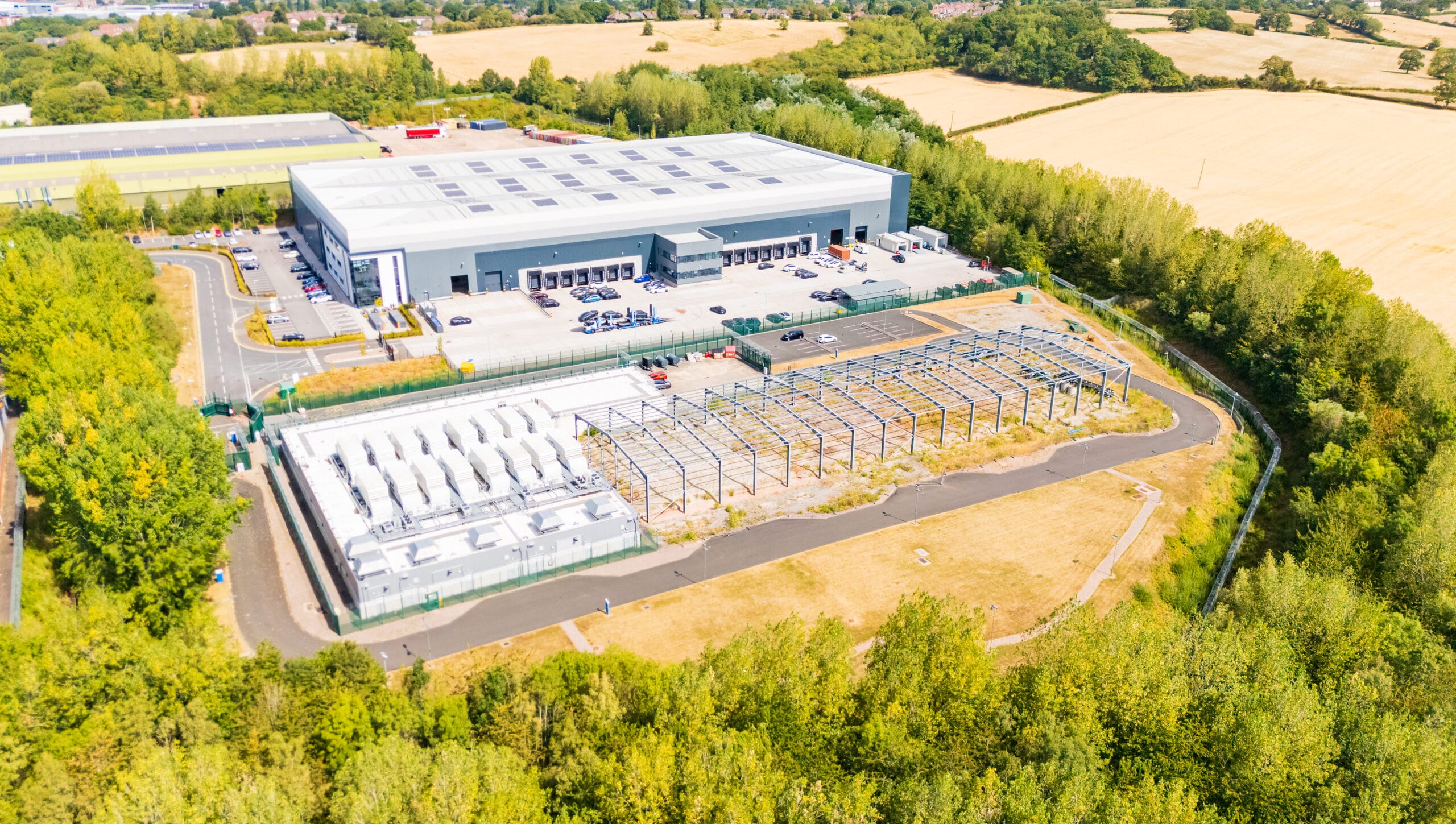
In MultiCAD’s work on the nLighten Edge Data Centre, for our client ROCMEP, our consultants provided designs and MEP co-ordination for prefabricated stainless steel work. This allowed the construction to happen offsite and reduced lead times for the plant installation.
Flawless prefabrication and modular construction
Prefabrication is an obvious choice for data centre services, allowing work to be taken off-site and take advantage of:
- specialised facilities and equipment
- skilled local workforce
- greater control over safety
- optimised working conditions
- scalability and standardisation of designs
- different activities happening in parallel
- faster build times
All these factors produce higher quality work to more predictable timelines, shortening timelines and reducing costs. To reap the benefits, however, prefabrication requires absolute accuracy at the design stage and full co-ordination between specialist project teams, to ensure the prefabricated elements can be installed without problems on site.
For this reason, modularisation doesn’t work when treated as an isolated construction method. Instead, it needs to be designed, integrated and managed right from very outset of the project. Information and data processes must also be designed and implemented at the start.
These are exactly the kinds of workflows BIM has been created to enable. It’s much more than just a 3D model, a BIM crafted by an expert technician gathers a wealth of project data (including geometric, time, asset, cost and logistic data) in one place where all involved in prefabrication and on-site assembly can easily and securely access the latest version.
One source of data, that’s always up to date
To ensure RFS deadlines are met, every sub-contractor working on a complex project has to be working to the same plan, with the same understanding of what’s required at each stage of the build. BIM expertise is needed right at the beginning of the project, to ensure information governance is in place to support the entire project to run smoothly, efficiently and to time.
Examples of scenarios where delays can creep in include:
- MEP teams are working in silos without proper co-ordination, this risks costly rework as teams discover conflicts and clashes on site. This increases materials estimates, workforce costs and timelines.
- Without early access to an accurate project plan with clear accountabilities, specialised equipment like transformers and switch gear are ordered too late, leaving a gap that pushes RFS dates further into the future.
- Commissioning and testing programmes aren’t given the resources and the time they need to ensure the facility is ready for switch-on, leading to delays and financial pressures.
MultiCAD’s work on the nLighten Edge Data Centre included delivering a high-quality BIM Execution plan, establishing the essential information management processes for all project partners to distribute project-critical information efficiently.
It’s not enough to have the data buried in a plan or an appendix, it needs to be in the hand of the right stakeholder, at the right time, every time.
Talk to our experts in BIM for data centres
Contact our expert team to discuss how we can set up your project to meet its RFS deadline and protect operating profits.